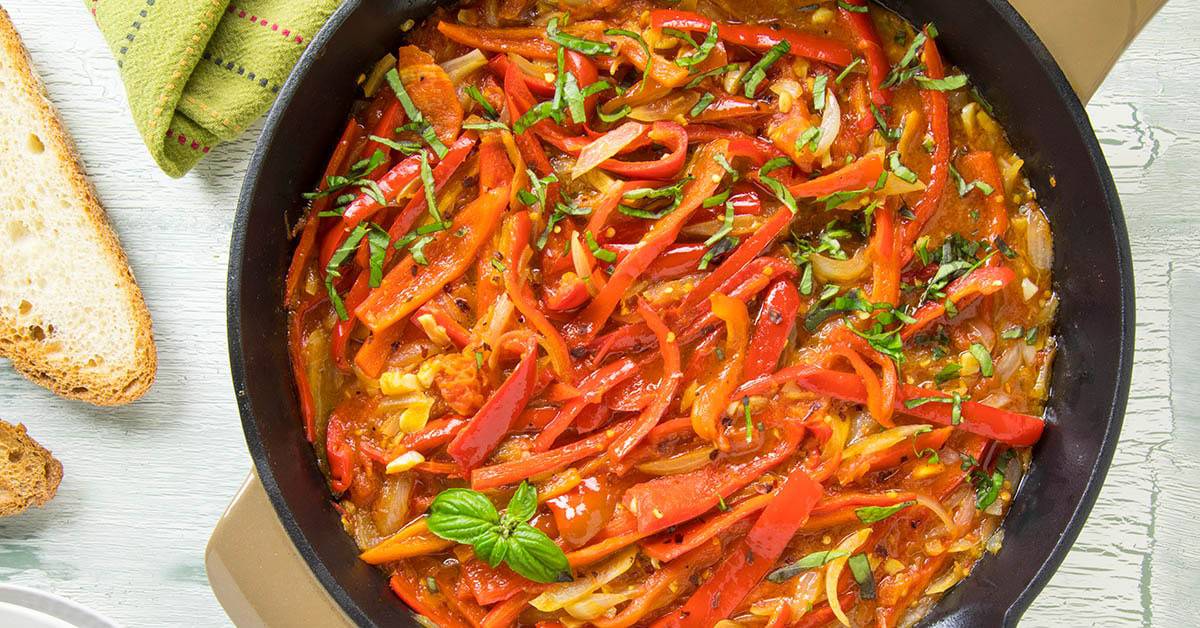
Peperonata Meal Prep: An Italian Dish That Tastes Better Later
Imagine a dish so effortlessly elegant, so deeply flavorful, yet so simple to prepare that it actually improves with age. Welcome to the world of peperonata, a quintessential Italian stew that’s not just a delight to the palate but also a dream come true for meal preppers. Hailing from the sun-drenched regions of Southern Italy, such as Calabria, Puglia, and Abruzzo, this vibrant concoction of bell peppers, onions, and often tomatoes, slow-cooked in rich olive oil, embodies the very essence of Mediterranean cooking. While it makes a fantastic fresh side, the true magic of a well-made authentic peperonata lies in its ability to deepen and meld its flavors overnight, making it the ultimate make-ahead dish.
If you've ever savored the aroma wafting from a traditional Italian trattoria, chances are you've caught a whiff of this savory pepper stew. But beyond its captivating fragrance and taste, peperonata stands out as a culinary gem for its incredible versatility and health benefits. It’s a dish that transcends categories, seamlessly transitioning from a humble side to a hearty main course, or even an inspired breakfast component. Its inherent ability to keep well in the fridge, only to offer an even richer, more complex flavor profile the next day, firmly establishes it as a cornerstone of smart, delicious meal preparation.
The Culinary Alchemy: Why Peperonata Improves with Time
The concept of food tasting better the next day isn't new; think chili, stews, or even lasagna. But peperonata truly exemplifies this phenomenon. So, what's the secret behind this Italian dish's remarkable transformation?
- Flavor Integration: When peperonata sits, especially overnight, the individual flavors of the bell peppers, sweet onions, aromatic garlic, and tangy tomatoes (or tomato paste) have ample time to intermingle and harmonize. The sharp edges of fresh ingredients soften, allowing a more cohesive and rounded taste experience to emerge.
- Aromatic Development: The essential oils from the vegetables, herbs like basil, and spices continue to diffuse throughout the dish. This creates a more profound and layered aroma that complements the developed taste.
- Sweetness and Acidity Balance: The slow cooking process coaxes out the natural sweetness of the bell peppers and onions. When left to rest, this sweetness, along with the acidity from the balsamic vinegar and tomato, balances further, creating a wonderfully complex sweet-savory profile that is incredibly satisfying.
- Texture Transformation: While cooked until very soft, the peppers' texture can continue to mellow slightly upon resting, becoming even more "silky" and melt-in-your-mouth.
This culinary alchemy makes peperonata an unparalleled choice for those seeking delicious, convenient meals throughout the week. It’s not just about saving time; it's about elevating your dining experience with flavors that actively improve while you’re away from the kitchen.
Crafting Your Perfect Peperonata: A Recipe for Rich Flavor
Creating a truly magnificent peperonata begins with quality ingredients and a patient approach to cooking. While there are variations, the core peperonata recipe emphasizes slow cooking to unlock the vegetables' full potential.
Essential Ingredients:
- Extra-Virgin Olive Oil: This is non-negotiable. Use a good quality, medium-bodied extra-virgin olive oil. It forms the flavor base, mellows the peppers, and coaxes out their sweetness.
- Aromatics: A medium yellow onion (halved and thinly sliced) and 4-6 cloves of smashed garlic are crucial for building depth. Fresh bay leaves also add a subtle, herbaceous note.
- Bell Peppers: The stars of the show! Use 6-8 bell peppers, ideally a mix of red, yellow, and orange for vibrant color and varied sweetness. Cut them into substantial 2-inch pieces. Look for ripe peppers that feel heavy for their size and have no soft spots.
- Tomato Element: Some recipes call for a cup of rich tomato sauce, while others, like our reference, use 2 tablespoons of tomato paste to create a deep, concentrated flavor. Cooking the tomato paste until it turns brick red is key to developing its umami.
- Liquid: A cup of dry white wine adds acidity and complexity, while a cup of water helps to stew the peppers until incredibly tender.
- Seasoning & Finish: Kosher salt and freshly ground pepper are fundamental. For freshness and a bright finish, incorporate 1/2 bunch of fresh basil (torn) and 2 teaspoons of good quality balsamic vinegar (preferably aged) at the very end.
Step-by-Step Cooking Insights:
- Build the Base: In a large pot or Dutch oven, heat the olive oil over medium heat. Add the onion, garlic, and bay leaves. Cook, stirring occasionally, for about 6-8 minutes until the onion is very soft and translucent. Don't rush this step; it lays the foundation for flavor.
- Develop the Tomato: Stir in the tomato paste, along with a generous 1 1/2 teaspoons of salt and 1/2 teaspoon of pepper. Continue cooking and stirring for about 5 minutes, allowing the tomato paste to caramelize and deepen in color to a rich brick red. This step intensifies the tomato's flavor significantly.
- Soften the Peppers: Add the bell peppers to the pot. Cook, stirring occasionally, for about 10 minutes until they begin to soften. This initial softening before adding liquid helps them absorb flavors better.
- Simmer to Tenderness: Pour in the white wine and 1 cup of water. Increase the heat to high and bring to a boil. Then, reduce the heat to medium-low, cover the pot, and let it simmer for about 30 minutes. This gentle cooking ensures the peppers become incredibly soft and silky.
- Reduce and Concentrate: Uncover the pot, increase the heat to medium, and continue cooking, stirring occasionally, for another 20-25 minutes. The goal here is to evaporate most of the liquid, concentrating the flavors into a rich, stew-like consistency. Remove the bay leaves before the final steps.
- Finish with Flair: Off the heat, stir in the torn fresh basil and the balsamic vinegar. Taste and adjust seasoning with additional salt and pepper if needed. The fresh basil adds a burst of aroma, and the balsamic vinegar brightens the entire dish, enhancing the peppers' natural sweetness.
Some optional additions include diced fennel for a hint of anise sweetness and texture, or capers for a briny, salty punch. These can be added during the pepper-softening stage or along with the finishing touches.
Beyond the Pot: Meal Prep Ideas and Serving Suggestions
The beauty of a well-prepared peperonata lies in its chameleon-like adaptability. Its rich, sweet-savory profile makes it a star in countless meal prep scenarios throughout the week. For even more ways to enjoy this versatile dish, explore Easy Italian Peperonata: A Versatile Side Dish for Any Meal.
- Breakfast Booster: Stir peperonata into scrambled eggs or an omelet for a vibrant, flavorful start to your day. It also makes a fantastic topping for a frittata or simply spooned over toasted crusty bread with a fried egg.
- Lunchtime Hero: Toss peperonata with your favorite pasta for a quick and satisfying meal. Add some grilled chicken, sausage, or chickpeas for extra protein. It’s also excellent in a grain bowl with quinoa or farro, or as a hearty filling for a wrap or pita.
- Dinner Delight: Serve peperonata as an elegant side dish for roasted meats like pork loin, chicken, or lamb. It pairs beautifully with grilled fish or steak. Use it as a vibrant topping for homemade pizza or flatbreads, or serve it alongside creamy polenta.
- Appetizers & Snacks: Spoon peperonata onto toasted baguette slices (bruschetta or crostini) for an easy appetizer. You can also blend a portion of it into a rustic dip for vegetables or crackers.
Storing Your Culinary Gem: Tips for Longevity and Flavor
To truly harness peperonata's meal prep power, proper storage is key. Remember, its flavor only deepens, so you're preserving deliciousness!
- Cool Completely: Before storing, allow the peperonata to cool completely to room temperature. This prevents condensation and keeps it fresh longer.
- Airtight Containers: Transfer the cooled peperonata to airtight containers. Glass containers are excellent as they don't absorb odors and are microwave-safe for reheating.
- Refrigeration: Stored properly in the refrigerator, peperonata will keep beautifully for 5-7 days. Its flavors will continue to meld and deepen over this period.
- Freezing for Long-Term: Peperonata freezes exceptionally well! Portion it into freezer-safe bags or containers. It can be frozen for up to 3 months. To thaw, simply transfer it to the refrigerator overnight or gently reheat from frozen on the stovetop over low heat.
- Reheating: Gently reheat peperonata on the stovetop over medium-low heat, stirring occasionally, until warmed through. You can also microwave individual portions. Avoid overheating, which can degrade the texture.
Embrace the Peperonata Lifestyle
The allure of peperonata goes far beyond its vibrant colors and delicious taste. It’s an ode to simple, quality ingredients, a testament to the magic of slow cooking, and a champion for smart meal preparation. By embracing this versatile Italian stew, you're not just cooking; you're investing in a week of delightful, deepening flavors and effortless meal solutions. So, gather your bell peppers, ignite your stovetop, and prepare to fall in love with a dish that truly gets better with age. Your future self, and your taste buds, will thank you for making this exquisite peperonata recipe a staple in your kitchen.
