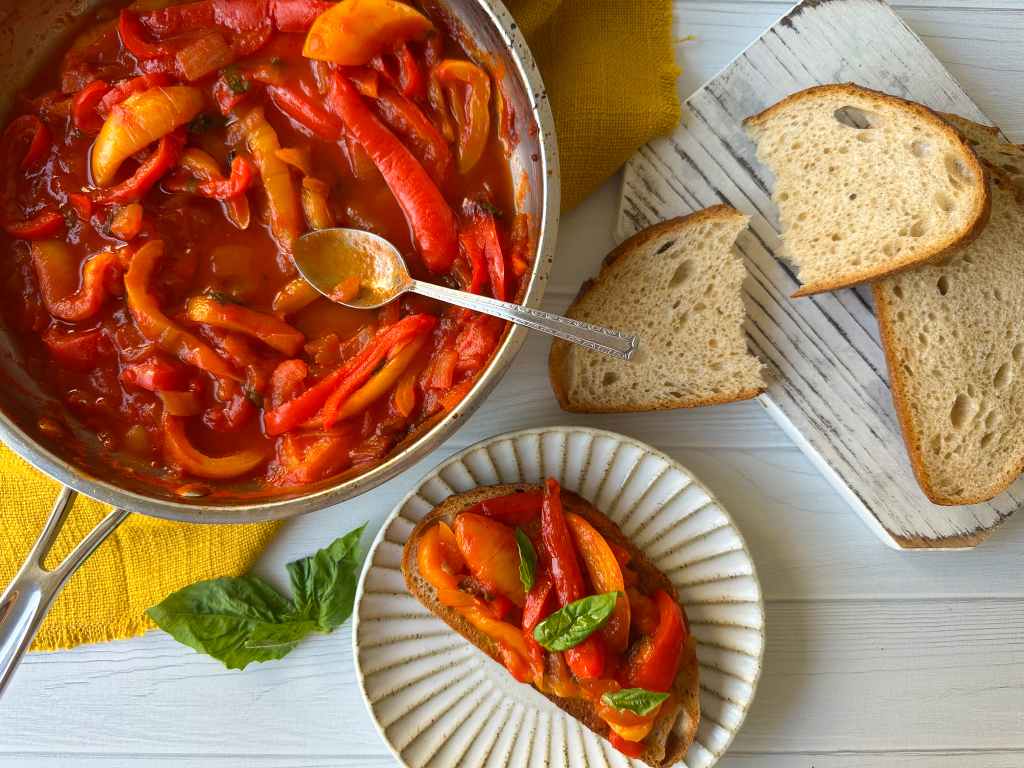
Authentic Peperonata: Stewed Peppers with Rich Italian Flavor
Imagine a dish that embodies the warmth and vibrant spirit of the Mediterranean, where humble vegetables transform into a luxurious, flavor-packed experience. That's peperonata – a cornerstone of Italian cuisine, particularly beloved in the sun-drenched regions of the south. This "silky stew" of slow-cooked bell peppers, aromatic onions, and savory tomatoes is more than just a side dish; it's a celebration of simple ingredients achieving extraordinary depth. If you've been searching for an authentic
peperonata recipe that delivers on rich Italian flavor and incredible versatility, you've found it.
Peperonata captures the essence of Italian comfort food, proving that a handful of fresh, quality ingredients, given time and care, can create something truly unforgettable. Its vibrant colors – a testament to the bell peppers used – are as appealing to the eye as its robust taste is to the palate. From a casual weeknight dinner to a sophisticated accompaniment for a holiday feast, peperonata adapts effortlessly, making it a beloved staple in Italian homes and a delicious discovery for any food enthusiast.
What Exactly is Peperonata? The Soul of Italian Stewed Peppers
While bell peppers themselves are a "New World" vegetable, they have become quintessentially Italian, featuring prominently in the culinary traditions of southern Italy, particularly in regions like Calabria, Puglia, and Abruzzo. Peperonata is the delicious culmination of this marriage between ingredient and tradition. At its heart, peperonata is a slow-simmered stew where various bell peppers – typically red, yellow, and orange for a beautiful color spectrum – are cooked down with onions, garlic, a touch of tomato, and often a splash of wine and balsamic vinegar.
The magic happens during the stewing process. The assertive flavors of raw peppers mellow and transform, their natural sugars caramelizing as they cook slowly in good quality extra virgin olive oil. This meticulous preparation coaxes out a profound sweetness and a tender, almost melting texture that defines authentic peperonata. It's a dish that speaks to the patience and passion inherent in Italian cooking, resulting in a rich, deeply savory, and slightly sweet creation that is unmistakably Italian. The fragrant perfume of peppers gently cooking is a sensory delight, evoking images of bustling Italian trattorias and sun-drenched kitchens.
Unlocking Authentic Flavor: Your Peperonata Recipe Guide
Crafting a truly memorable peperonata begins with understanding each ingredient's role and following a few key steps that elevate this simple dish into a culinary masterpiece. This
peperonata recipe focuses on building layers of flavor, ensuring every spoonful is a delight.
The Essential Ingredients for a Stellar Peperonata
While the preparation is straightforward, the quality of your ingredients makes a significant difference. Choose the freshest produce and a good quality olive oil to truly shine.
*
1/2 cup Extra-Virgin Olive Oil: The foundation of flavor. Opt for a medium-bodied, high-quality extra virgin olive oil. It helps stew the peppers, mellowing their assertiveness and coaxing out their natural sweetness.
*
1 medium Onion: Halved and thinly sliced. Yellow onions are perfect, adding a sweet and savory base.
*
4 cloves Garlic: Smashed. Garlic provides a pungent, aromatic counterpoint to the sweetness of the peppers.
*
3 fresh Bay Leaves: These herbs infuse the stew with a subtle, aromatic depth that's classic in slow-cooked dishes.
*
2 tablespoons Tomato Paste: Crucial for adding umami richness and a beautiful, deep brick-red color.
*
Kosher Salt and Freshly Ground Black Pepper: Essential for seasoning at various stages to build flavor.
*
6 Bell Peppers: A mix of red, yellow, and orange, cut into 2-inch pieces. These are the stars! Ensure they are ripe, firm, and heavy for their size, indicating good moisture content. Avoid soft spots.
*
1 cup Dry White Wine: Such as Sauvignon Blanc or Pinot Grigio. It deglazes the pot, adds acidity, and complexity to the stew.
*
1/2 bunch Fresh Basil: Torn. Added at the end, fresh basil brightens the dish with its aromatic, sweet notes.
*
2 teaspoons Balsamic Vinegar: Preferably an aged variety. A splash at the end enhances the sweetness of the vegetables and adds a lovely tang.
Optional Enhancements: For those looking to experiment, a finely diced fennel bulb cooked with the onions can add a delightful sweetness and texture. A tablespoon of capers can also introduce a briny, salty kick that complements the peppers beautifully.
Step-by-Step: Crafting Your Peperonata
Follow these steps carefully to achieve that perfect, silky texture and rich flavor profile.
1.
Build the Aromatic Foundation: Begin by heating the
1/2 cup extra-virgin olive oil in a large, heavy-bottomed pot or Dutch oven over medium heat. Once shimmering, add the
thinly sliced onion, smashed garlic, and fresh bay leaves. Cook gently, stirring occasionally, for about 6 minutes, or until the onion is wonderfully soft and translucent but not browned. This slow cooking allows the aromatics to sweeten and release their full flavor.
2.
Deepen the Umami: Next, stir in the
2 tablespoons tomato paste, along with
1 1/2 teaspoons kosher salt and
1/2 teaspoon freshly ground black pepper. Continue cooking and stirring for approximately 5 minutes. You'll notice the tomato paste deepening in color, transforming from a bright red to a rich, almost brick-red hue. This step, known as "cooking out" the tomato paste, is vital for developing a concentrated, complex umami flavor that forms the backbone of the dish.
3.
Introduce the Peppers: Add the
2-inch pieces of bell peppers to the pot. Stir well to coat them with the aromatic oil and tomato paste. Cook, stirring occasionally, for about 10 minutes. During this time, the peppers will start to glisten and slightly soften, beginning their journey towards tenderness.
4.
Simmer to Perfection: Pour in the
1 cup dry white wine and
1 cup of water. Increase the heat to high and bring the mixture to a rolling boil, scraping any flavorful bits from the bottom of the pot. Once boiling, reduce the heat to medium-low, cover the pot, and let the peperonata simmer gently for about 30 minutes. This slow, covered simmer allows the peppers to become incredibly tender and meld their flavors beautifully.
5.
Concentrate the Goodness: After 30 minutes, uncover the pot, increase the heat to medium, and continue cooking. Stir occasionally, allowing the liquid to gradually evaporate. This stage takes about 20 to 25 more minutes. The goal here is to reduce the excess moisture, concentrating the flavors and leaving you with a rich, "silky" stew rather than a watery one.
6.
The Finishing Touches: Once most of the liquid has evaporated and the peperonata has reached your desired consistency, carefully remove and discard the bay leaves. Stir in the
torn fresh basil and the
2 teaspoons of balsamic vinegar. Taste and adjust seasoning with additional salt and pepper if needed. Serve warm or at room temperature.
Beyond the Pot: Creative Ways to Enjoy Your Peperonata
One of the most appealing aspects of peperonata is its incredible versatility. It’s truly a chameleon in the kitchen, adapting to countless culinary scenarios.
*
As a Standalone Side: Peperonata shines as a vibrant side dish for virtually any meal. It's a perfect partner for roasted meats like chicken or lamb, grilled fish or steak, adding a burst of Mediterranean flavor.
*
Tossed with Pasta: For a quick and satisfying meal, simply toss warm peperonata with your favorite pasta. Add a sprinkle of Parmesan cheese for a delightful vegetarian main course.
*
Bruschetta Topping: Spoon peperonata onto toasted crusty bread for an elegant appetizer or light snack.
*
Pizza or Focaccia: Use it as a flavorful topping for homemade pizza or focaccia, either alone or with other ingredients.
*
Breakfast & Brunch: Stir it into scrambled eggs or serve it alongside a frittata or omelet for a sophisticated breakfast.
*
Sandwich or Wrap Filling: Add a spoonful to sandwiches, paninis, or wraps for an extra layer of flavor and moisture.
*
Relish or Condiment: Treat it like a gourmet relish, serving it alongside charcuterie boards or as an accompaniment to cheese.
For more innovative serving ideas and to discover just how adaptable this dish can be, check out our guide on
Easy Italian Peperonata: A Versatile Side Dish for Any Meal.
Maximizing Flavor and Convenience: Peperonata Tips and Storage
To get the absolute best out of your peperonata, consider these additional tips:
*
Don't Rush the Aromatics: The initial step of softening the onions and garlic is crucial. Allowing them to gently caramelize lays a sweet, savory foundation that permeates the entire dish.
*
Quality Over Quantity: Since peperonata relies on a few key ingredients, investing in fresh, ripe bell peppers and a good quality extra virgin olive oil truly elevates the final taste.
*
The Magic of Resting: Like many stews, peperonata often tastes even better the next day. The flavors continue to meld and deepen as it sits, making it an ideal candidate for meal prep. This makes it an ideal candidate for meal prep; in fact, its flavors deepen beautifully with time, making it even more delicious the next day. Learn more about making this dish ahead in our article on
Peperonata Meal Prep: An Italian Dish That Tastes Better Later.
*
Storage: Store leftover peperonata in an airtight container in the refrigerator for up to 4-5 days. It can also be frozen for up to 3 months. Thaw overnight in the fridge and gently reheat on the stovetop or in the microwave.
Conclusion
Peperonata is a testament to the beauty of Italian cooking: taking simple, wholesome ingredients and transforming them into something truly spectacular through patience and time. This authentic
peperonata recipe offers a gateway to rich, savory-sweet flavors that evoke the warmth of a Mediterranean summer. Whether you're serving it as a humble side dish or the star of a pasta supper, peperonata promises a comforting, deeply satisfying experience. Give this recipe a try and bring a piece of Italian culinary tradition into your home. *Buon appetito!*